
Narayan Nagbali Puja In Trimbakeshwar
What Is Narayan Nagbali Puja?
Narayan Nagbali Puja is a sacred Vedic ritual performed over three days, primarily to address ancestral and karmic concerns. This Puja consists of two main ceremonies: Narayan Bali Puja and Nagbali Puja.
- Narayan Bali Puja helps release the soul of ancestors whose desires were left unfulfilled, bringing peace to both the departed and their descendants.
- Nagbali Puja is performed to cleanse sins associated with harming or killing snakes, especially cobras, which are considered sacred in Hindu tradition.
These rituals are traditionally conducted at Ahilya Godavari Sangam and Sati Maha-Smashan, located near the Trimbakeshwar Temple in Nashik, Maharashtra. According to the Garuda Purana, performing Narayan Nagbali Puja at this holy site brings blessings not only to the devotee but also to their family and future generations.
Narayan Nagbali Puja at Trimbakeshwar
Trimbakeshwar Temple is one of the most revered spiritual destinations in India, surrounded by several other sacred temples. Devotees believe that visiting Trimbakeshwar can lead to salvation (Sadgati). This temple, dedicated to Lord Shiva, holds special significance for performing the Narayan Nagbali Puja. The rituals are traditionally conducted by Tamprapatradhari Purohits, who are descendants of ancient Brahmin priests.
Trimbakeshwar is also considered the origin of the Godavari River, which begins its sacred journey from the Brahmagiri hills, standing 1,295 meters above sea level, just behind the historic Shiva temple. As a holy tirtha kshetra and one of the 12 Jyotirlingas of India, performing Puja here is believed to bring blessings, peace, and positive results to devotees and their families.
Types of Narayan Nagbali Puja
1. Narayan Bali Puja
Narayan Bali Puja is performed at sacred pilgrimage sites (Teerth Kshetras) across India, with Trimbakeshwar being one of the most prominent locations. This Puja is specifically conducted when a family member has died due to unnatural causes, such as accidents, suicide, or snake bites.
In cases where Shraddha (annual death rituals) have not been performed for several years, it can lead to Pitru Dosh (ancestral curse) in the family horoscope. Narayan Bali Puja helps resolve these spiritual and ancestral issues, bringing peace to departed souls and blessings to their descendants.
Narayan Bali Puja Mantra:
“शस्त्रघातमृताये चा स्पर्शस्पृष्टवा तथैव च तत्तु दुर्मरणम ग्येयम यच्चजातं विधिंविना। अतःतस्य सुतै पौत्रे सपिंडैशुभमिच्छुभिः नारायणबलिं कार्यो लोकगर्धाभिया खग”
Meaning:
This Puja is performed for individuals who have passed away due to unnatural causes, such as accidents, suicide, fatal illnesses, ghostly disturbances, untimely death, or a series of unfortunate events. It is considered a Kaamya Karma, performed with a specific purpose or desire to remove negative effects from the family.
2. Nag Bali Puja
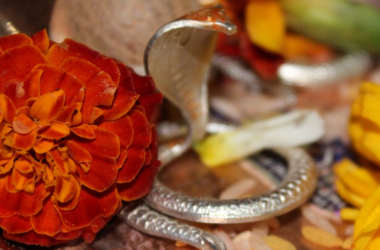
Nag Bali Puja is performed to atone for the sin of killing a snake, especially a cobra, which holds sacred significance in Hinduism. During this ritual, last rites are performed for a symbolic snake made from wheat flour.
Nag Bali Puja is exclusively performed at Trimbakeshwar, and it cannot be conducted alone. It must be performed alongside Narayan Bali Puja. Together, these rituals are known as Pitru Dosh Nivaran Puja, aimed at removing ancestral curses and bringing peace to the family.
Reasons for Performing Narayan Bali Puja
According to the ancient Garuda Purana, Narayan Bali Puja is performed to address the effects of unnatural deaths in the family. These may include deaths caused by infectious diseases (like cholera or flu), natural disasters, accidents, or snakebites. The Puja helps pacify the departed souls and remove negative influences on the family.
Who Should Perform Narayan Nagbali Puja?
Narayan Nagbali Puja is primarily performed to remove Pitru Dosh (ancestral curse) from one’s horoscope. This ritual is recommended for individuals facing:
- Financial problems or business losses
- Educational obstacles or difficulties in career growth
- Marriage-related issues or delays
- General lack of success or prosperity in life
By performing this Puja, devotees seek blessings for peace, prosperity, and overall well-being for themselves and their family.
Where Should You Perform Narayan Nagbali Puja?
This sacred Puja can only be performed in Trimbak, near the Ahilya Godavari Sangam at Sati Maha-Smashan, close to the Trimbakeshwar Temple in Nashik. It cannot be conducted at any other location.
The site has been recognized under the “PRASAD YOJNA” (Pilgrimage Rejuvenation and Spirituality Augmentation Drive) by the Ministry of Tourism, Government of India. Special packages and development initiatives have been allocated to preserve and promote this holy pilgrimage center.
Narayan Nagbali Puja Dates 2025
The Narayan Nagbali Puja is performed according to the Nakshatra (lunar constellations). Each month usually has 2–3 auspicious Muhurats (timings) suitable for performing the Puja. The Pitru Paksha period is considered the most favorable time, with Pitruda Ekadashi being especially auspicious. Devotees can also perform the Puja on the 7th day after Amavasya (no-moon day).
Auspicious Dates for Narayan Nagbali Puja in 2025
- January: 2, 8, 11, 15, 18, 29
- February: 4, 7, 14, 17, 26
- March: 3, 6, 10, 17, 21, 25
- April: 3, 6, 9, 13, 27, 30
- May: 4, 10, 15, 31
- June: 6, 15, 21, 27
- July: 1, 4, 12, 25
- August: 1, 9, 15, 24
- September: 1, 11, 14, 17, 20, 25, 29
- October: 3, 8, 11, 24, 30
- November: 5, 8, 11, 14, 22, 26
- December: 2, 5, 11, 15, 19, 29
Performing Narayan Nagbali Puja on these auspicious dates is believed to bring peace to ancestors, remove Pitru Dosh, and bless the family with prosperity and well-being.
Importance of Narayan Nagbali Puja
Narayan Bali Puja is performed to fulfill the unfulfilled desires of ancestral souls, as unsatisfied wishes may create obstacles for future generations. This sacred ritual helps the departed soul attain Moksha (liberation) and brings peace to both the soul and the family.
During the Puja, a dummy body made of wheat flour is created. The Pandit (priest) chants specific mantras to address the unfulfilled desires of the departed soul. This symbolic body allows the soul to be freed in the afterlife, ensuring it achieves spiritual relief and peace.
The dates for performing Narayan Nagbali Puja are determined according to the Nakshatras (lunar constellations). Pitru Paksha is considered the most auspicious period, with Pitruda Ekadashi being especially beneficial for conducting this sacred ritual.
Performing this Puja is believed to remove Pitru Dosh, bless the family, and bring peace, prosperity, and spiritual harmony to future generations.
Narayan Nagbali Puja Vidhi
Narayan Nagbali Puja is a sacred three-day ritual. Traditionally, a male devotee can perform the Puja individually, while females need to perform it with male guidance or accompaniment.
Day 1: Initiation and Main Rituals
Preparation:
- Take a holy bath in Kushavarta Kund.
- Men should wear a dhoti, and women should wear a saree (avoid black or green).
Temple Visit:
- Offer prayers at Trimbakeshwar Temple.
- Proceed to Ahilya Godavari Sangam for the Puja.
Puja Setup:
- The priest places gold idols of Lord Vishnu and Vaivasvata Yama on two bowls.
- Begin with Pradhan Sankalpa (main intention), Nyas (consecration), and Kalash Puja (worship of the sacred pot).
- Draw a line with a darbha knife to the east of the bowls, lay darbhas (sacred grass) toward the south, and sprinkle water while chanting mantras.
Deity Worship:
- Worship Lord Surya (Sun), Lord Ganesha, Lord Vishnu, and the five principal deities: Brahma, Vishnu, Shiva, Yama, and Tatpurusha.
Further Rituals:
- Perform Agni Sthapana (establishing the sacred fire), Purusha Sukta Havan (fire ritual), Ekadashi Vishnu Shraddha, Panchdevta Shraddha, Balidan (sacrifice), Palashvidhi, Pind Daan, and Paranshar.
Pinda Offering:
- Offer ten pindas (rice balls) with honey, ghee, and sesame seeds on the darbhas.
- Apply sandalwood paste to the pindas and immerse them in a river or water body.
This concludes the first day’s rituals.
Day 2: Sapindh Shradha and Pind Offering
Preparation:
- Take a holy bath in Kushavarta Kund again and wear the same clothes.
Sapindh Shradha:
- Begin with worship of Lord Vishnu.
- Invite Brahmins in odd numbers—one, three, or five.
Puja Rituals:
- Chant the names of Vishnu, Brahma, Shiva, and Yama.
- Offer four pindas and the fifth pinda to the body in the form of Lord Vishnu.
Donations:
- Donate clothing, jewelry, a cow, and gold to one Brahmin.
Water Offering:
- Brahmins pour water mixed with darbha, sesame seeds, and tulsi leaves into the palms and offer it to the devotee.
Day 3: Final Rituals and Completion
Swastipunyahwachan:
- Perform the Swastipunyahwachan ritual, worshipping Lord Ganesha to remove any remaining negative energies.
Snake Deity Worship:
- Worship a small golden snake deity and donate it to a Brahmin.
Final Offerings:
- Distribute bhog (food offerings) to Brahmins.
With the blessings of Lord Shiva, the Narayan Nagbali Puja is completed, bringing peace to ancestral souls, removal of Pitru Dosh, and blessings for the family.
Benefits of Narayan Nagbali Puja
Performing Narayan Nagbali Puja brings numerous spiritual and worldly benefits:
- Family Harmony: The Puja generates positive energy and satisfaction, bringing peace and harmony to the entire family.
- Health and Success: It promotes good health and helps devotees achieve success in education, career, and personal life.
- Business and Career Growth: Assists in fulfilling dreams and goals related to business or professional growth.
- Fertility: Beneficial for couples facing difficulties in conceiving, supporting family well-being.
- Ancestral Salvation: Helps the souls of ancestors attain peace and liberation (Moksha).
- Relief from Pitru Dosh: Removes the negative effects of Pitru Dosh (ancestral curse), ensuring prosperity and peace for the family.
Narayan Nagbali Puja Cost at Trimbakeshwar
The cost of performing Narayan Nagbali Puja at Trimbakeshwar typically ranges between ₹7,000 to ₹15,000. The price depends on the Havan (fire ritual) and the materials (Samagri) used by the Tamprapatradhari Guruji.
After the Puja is completed, the Dakshina (offering) is given at the devotee’s discretion, allowing flexibility according to means and devotion.
Performing the Puja with sincerity and devotion is considered far more important than the amount spent.