
Tripindi Shradh Puja at Trimbakeshwar
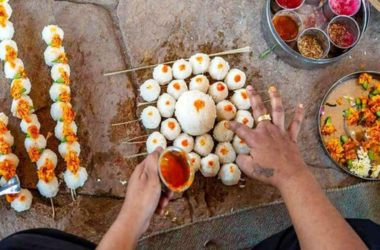
Tripindi Shraddha Puja
Tripindi Shraddha is also known as Pind Daan. If any family member from the last three generations has passed away at a very young or old age, their unsatisfied souls may cause troubles in the lives of the descendants. If Shraddha is not performed continuously for three years, these souls may become restless and angry. To calm them and offer peace, the Tripindi Shraddha ritual is performed. This is considered one of the most important rituals in Hindu culture.
Significance of Tripindi Shraddha
According to the ancient text Shraddha Kamalkar, it is recommended that Shraddha should be performed twice every year. If this ritual is neglected for several years, the ancestors may remain dissatisfied and create problems for the coming generations.
Many people believe that Tripindi Shraddha is only meant to satisfy three generations of ancestors (parents, grandparents, and great-grandparents). However, this is not the case. The ritual is performed for any departed soul who is not at peace and is causing disturbances for the family. By performing Tripindi Shraddha, such souls are offered liberation, and the family gains relief from problems.
Procedure of Tripindi Shraddha
- The ritual is carried out with the help of three Brahmins, which is why it is called Tripindi Shraddha.
- It is mainly performed at Trimbakeshwar, Nashik (Maharashtra).
- The puja includes important rites such as Pind Daan, Pitru Dosh Nivaran Puja, and Abhishek.
- The ritual helps in removing obstacles related to health, finance, marriage, and family life, and brings peace and prosperity.
Tripindi Shraddha at Trimbakeshwar
The holy Trimbakeshwar Temple is one of the most sacred places for performing this ritual. With the guidance of authorized Tamrapatradhari Pandits, devotees can perform Tripindi Shraddha in the correct manner and seek blessings of their ancestors for a happy and successful life.
Tripindi Shradha Puja Benefits
Performing Tripindi Shradha Puja is highly beneficial for both the ancestors and their descendants. This ritual brings peace to departed souls and blessings to the family. When performed with devotion, it helps remove obstacles in life and ensures prosperity.
Key Benefits of Tripindi Shradha Puja
- Brings peace, happiness, health, and prosperity to the family.
- Helps progress in career, business, and education.
- Removes hurdles related to marriage and relationships.
- Creates stability and improves financial growth.
- Protects family members from sudden or unnatural deaths.
- Increases chances of receiving good marriage proposals.
- Grants salvation (moksha) to restless ancestral souls.
Importance of Tripindi Shradha
Usually, when a person passes away in middle or old age, their Pind Daan and Shraddha rituals are performed. However, when someone dies at a young age, the rituals may not be completed properly, which leaves the soul unsatisfied. Such souls remain bound in human bondage and cause disturbances in the lives of their descendants.
To free these souls and guide them towards peace, Tripindi Shraddha Puja is performed.
According to scriptures, Shraddha should be performed every year on death anniversaries and especially during Pitru Paksha (Bhadrapada month), also called Samvatsarik Shraddha or Mahalaya Shraddha. If Shraddha is not performed for three consecutive years, it causes Pitru Dosh, bringing difficulties in family life. Performing Tripindi Shraddha helps overcome this dosha and ensures liberation of ancestors.
Anyone whose Kundali (birth chart) shows the presence of Pitru Dosh should perform this puja. Both married and unmarried individuals can do it, but it cannot be performed by an unmarried woman alone.
Tripindi Shraddha Puja Vidhi (Procedure)
- Duration: The puja generally takes 2–3 hours.
- Dress Code:
- Men: Dhoti
- Women: Saree (avoid black clothing)
Ritual Steps:
- Holy Bath – Devotees take a dip in the sacred Kushavarta Kund for purification.
- Kalash Sthapana – Installation of the holy Kalash.
- Ganesh & Gauri Pujan – To invoke divine blessings.
- Navgraha Pujan – Worship of nine planets to remove planetary obstacles.
- Abhishek & Chanting – Abhishek of Lord Shiva with Vedic mantras.
- Pind Daan – Offering rice balls (pindas), cereals, and jaggery to the ancestors.
- Tarpan – Ritual offerings for father’s, mother’s, and wife’s side ancestors.
- Deep & Varun Poojan – Worship of lamp and water deity.
- Tripindi Puja – Main ritual performed with group chanting and aarti.
- Visarjan & Donation – Concluding rituals include visarjan, offering food to cows, and giving dakshina to Brahmins.
- Prasad Distribution – Devotees share blessings through sacred prasad.
Tripindi Shradha Puja at Trimbakeshwar
In Hinduism (Sanatan Dharma), it is believed that visiting Trimbakeshwar Temple leads to salvation (moksha). Among many holy temples, Trimbakeshwar in Nashik holds special importance, as it is considered the origin of the sacred Godavari River, symbolizing rebirth after death. Performing Shraddha rituals here is believed to help departed souls attain peace and liberation.
Why Trimbakeshwar for Tripindi Shraddha?
Trimbakeshwar is one of the twelve Jyotirlingas and a highly revered tirtha kshetra in India. Performing any puja at this sacred place is considered highly auspicious. The Tripindi Shraddha Puja is performed here at Kushavarta Tirtha to seek relief from problems such as:
- Frequent clashes or lack of peace at home
- Misfortune and untimely death in the family
- Delays in marriage or issues in relationships
- Obstacles in having children
- Financial and health troubles
During this puja, the Trinity—Lord Brahma, Lord Vishnu, and Lord Shiva—are worshipped with devotion. Each deity represents unique energies: Brahma (creation and wisdom), Vishnu (protection and balance), and Shiva (transformation). By offering prayers to them, unsatisfied ancestral souls are guided towards peace.
According to scriptures, performing Tripindi Shraddha at Trimbakeshwar grants salvation (moksha) to restless ancestors and removes negative influences from the family’s present and future generations.
What is Tripindi Shraddha?
India is a land of traditions and rituals, each with deep meaning and spiritual value. Shraddha is one such ritual, performed for the peace of departed ancestors.
The word Shraddha comes from two Sanskrit words:
- Sat – truth or reality
- Adhar – foundation
Together, it means an act performed with complete faith and devotion. The scriptures say:
“Shraddhyaa Kriyate Yaa Saa”, meaning Shraddha is the ritual done with faith to satisfy ancestors.
This ritual reflects love, gratitude, and respect towards our forefathers. It helps release unsatisfied souls from bondage and ensures harmony, prosperity, and blessings for the living family members.
Significance of Tripindi Shraddha
- Death is not the end but the beginning of a new cycle. For a soul (aatma) to move into the next life, it must be free from past attachments.
- If Shraddha is not performed for three consecutive years, ancestors may remain dissatisfied, leading to Pitru Dosh and difficulties in the family. Tripindi Shraddha helps remove this dosha.
- Offering Shraddha with sincerity ensures peace for ancestors and prosperity for descendants in terms of health, wealth, education, marriage, and happiness.
Acts of Devotion During the Ritual
- Taking a holy dip in Kushavarta Kund for purification
- Offering pindas (rice balls) to ancestors
- Worshipping Lord Brahma, Vishnu, and Shiva
- Chanting mantras and performing homa (sacred fire ritual)
- Giving donations (such as food, clothes, or other items) to Brahmins and the needy
By doing this, devotees not only pay homage to their ancestors but also create positive energy that benefits both the present and future generations.
Performing Tripindi Shraddha at Trimbakeshwar is considered one of the most powerful ways to honor ancestors, remove Pitru Dosh, and invite peace and prosperity into life.
Tripindi Shradha Puja Cost at Trimbakeshwar
The cost of performing Tripindi Shradha Puja at Trimbakeshwar generally depends on the puja samagri (materials) used and the guidance of Guruji. On average, the cost ranges between ₹7,000 to ₹15,000. For exact details, devotees can directly contact the Purohit Sangh Guruji. Trimbakeshwar Temple, being one of the holiest places in India, offers various types of rituals at an affordable cost.
Common pujas can also be performed here based on a devotee’s requirements.
Gods Worshipped in Tripindi Shradha
During Tripindi Shradha, the three main deities worshipped are:
- Lord Brahma – the Creator, who blesses souls with rebirth and new beginnings.
- Lord Vishnu – the Preserver, whose worship calms restless and angry souls, granting them peace.
- Lord Mahesh (Shiva) – the Destroyer, who guides souls towards liberation (moksha) after death.
This ritual is especially beneficial for ancestors who passed away in childhood, old age, or in unnatural circumstances without fulfilling their wishes.
Why Perform Shradha at Trimbakeshwar?
According to the Garuda Purana, after death, the soul begins its journey towards Yamapuri 13 days after leaving the body. It takes 17 days to reach there and continues its travel for 11 months before finally appearing in the court of Lord Yama after 12 months.
During this time, the soul experiences hunger and thirst but cannot satisfy these needs on its own. The offerings made by family members through Pind Daan and Tarpan provide nourishment to the soul. This is why Shraddha rituals are considered most important, especially during the first year after death.
Trimbakeshwar, being one of the 12 Jyotirlingas and the origin of the sacred Godavari River, is believed to be the most auspicious place to perform these rituals.
Significance of Pitru Dosh in Tripindi Shradha
Pitru Dosh is not just considered a curse but a form of karmic debt passed down through ancestors. It appears in one’s horoscope when forefathers have committed sins or their rituals were left incomplete. This can cause obstacles, delays, or hardships in life.
Pitru Dosh may also arise if ancestors did not receive proper Shraddha, charity, or spiritual offerings after their death. As a result, their souls remain unsatisfied, restless, and unable to attain moksha.
Pitru Dosh Mantra:
“ॐ श्रीं सर्व पितृ दोषो निवारणाय कालेशं हं सुख शांति देहि चरण स्वाहा”
Tripindi Shraddha Vidhi
People who leave their bodies enter Pitru Loka (the realm of ancestors). Souls there suffer from hunger and thirst but depend on offerings made during Shraddha rituals. If ignored, they may cause unrest in the family, leading to Pitru Dosh.
The Tripindi Shraddha Vidhi includes:
- Choosing auspicious days – Amavasya, Ashtami, or the last day of Pitru Paksha are ideal.
- Performing rituals based on the person’s kundali with the guidance of an experienced Guruji.
- Kalash Puja, followed by worship of Lord Brahma, Vishnu, Shiva, and Gopal Krishna.
- Offering Pind Daan (rice balls) in memory of ancestors, including forefathers, relatives, and even deceased Gurus.
- Using sacred items like black sesame seeds (til), tulsi leaves, flowers, water, and clothes.
- Donation of food and clothing in the name of ancestors.
This entire ritual usually takes 1.5 to 2 hours to complete.
Effects of Pitru Dosh
When Pitru Dosh is present, it may manifest in various ways:
- Family disputes and lack of peace at home
- Delays in marriage or childbirth
- Financial instability or sudden losses
- Health problems across generations
- Inherited diseases like diabetes, heart ailments, obesity, or mental health conditions
- Unnatural deaths in the family
By performing Tripindi Shraddha and Pitru Dosh Nivaran Puja, these difficulties are reduced, ancestors receive peace, and families are blessed with health, prosperity, and stability.